7 Mistakes You're Making with Google Business Profile (And How Contractors Fix Them in 2026)
7 Mistakes You're Making with Google Business Profile (And How Contractors Fix Them in 2026)
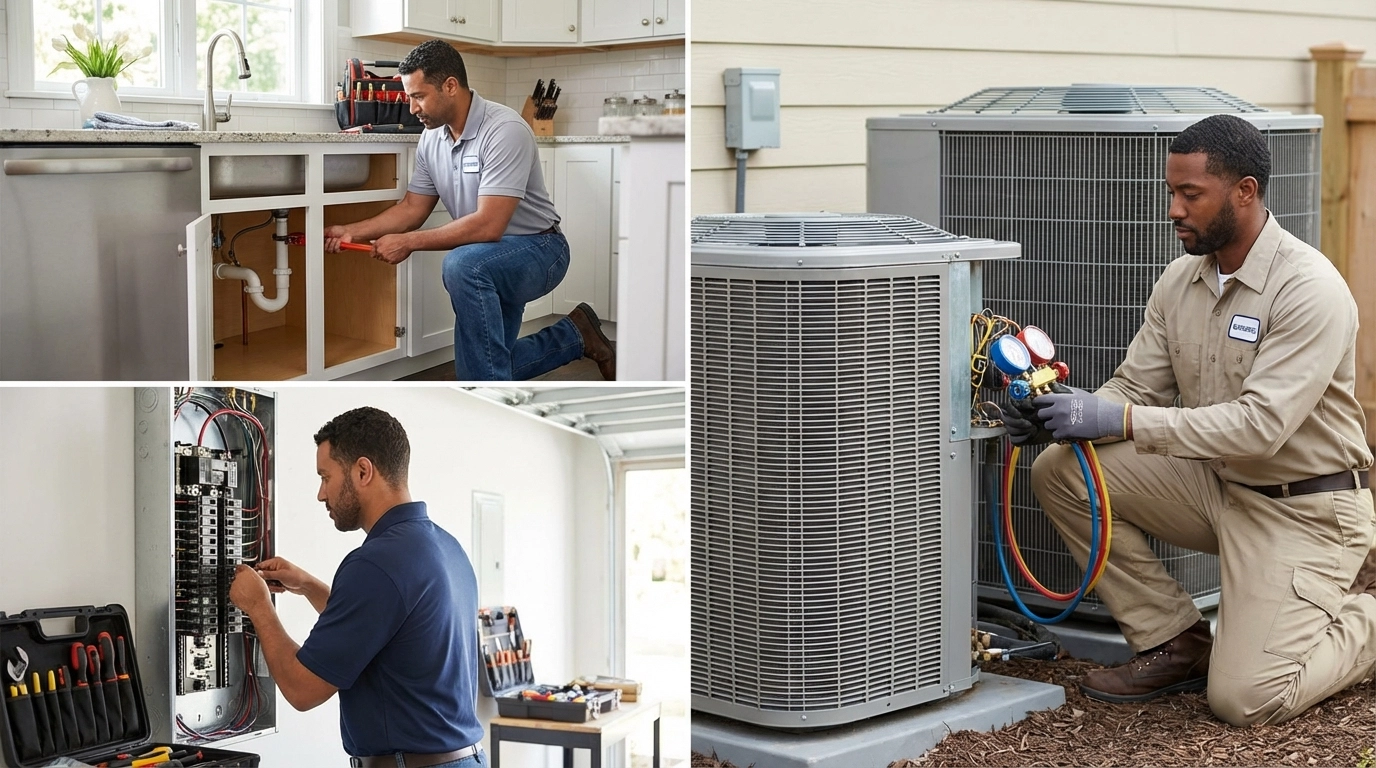
Your Google Business Profile is either making you money or costing you jobs: there's no middle ground. While your competitors are fumbling around with basic setup errors, smart contractors are leveraging their GBP to dominate local search results and capture more home service leads.
The harsh reality? Most contractors are leaving thousands of dollars on the table because they're making the same seven critical mistakes with their Google Business Profile. These aren't minor tweaks: they're deal-breakers that determine whether homeowners call you or your competition.
Let's fix that. Here are the seven biggest Google Business Profile mistakes contractors make in 2026, and exactly how to turn them into competitive advantages.
Mistake #1: Your NAP Information is All Over the Place
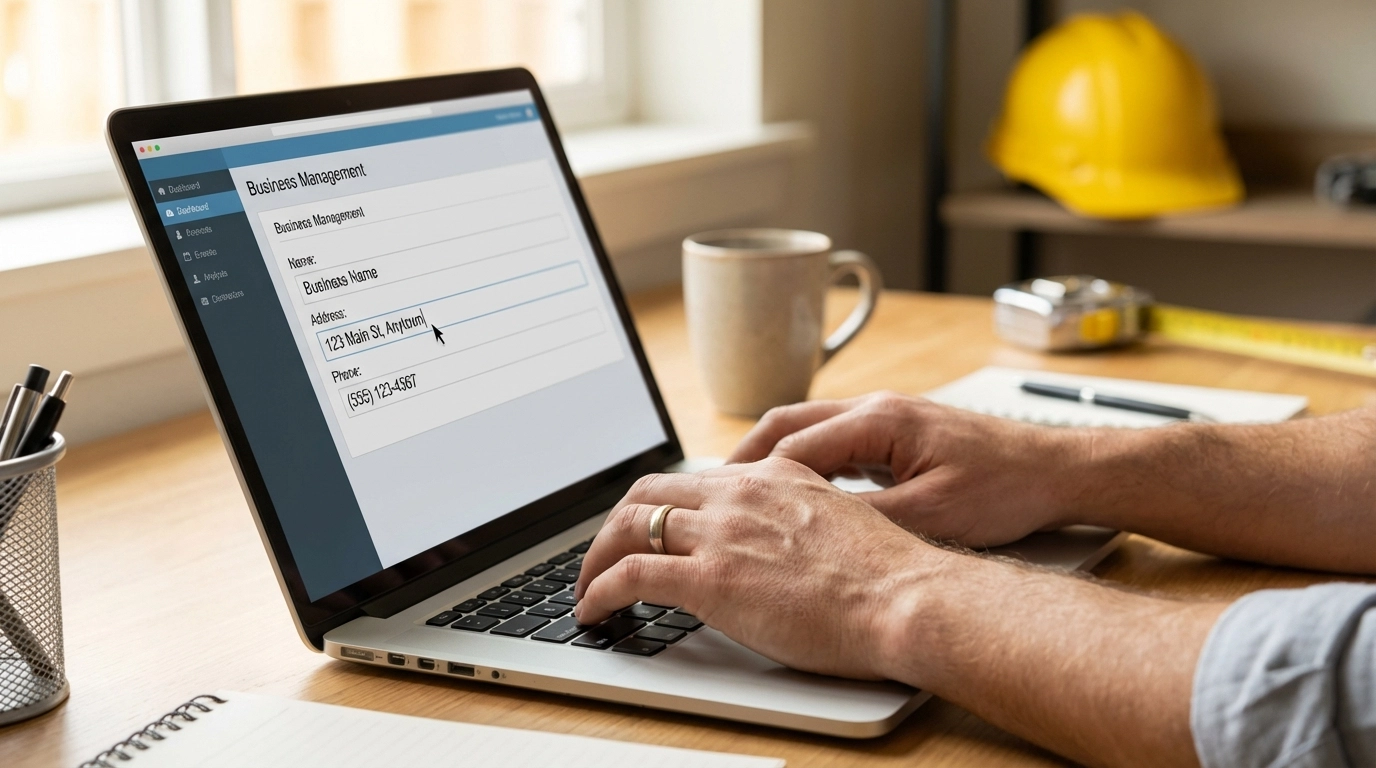
This one's a killer, and most contractors don't even realize they're doing it. Your business name, address, and phone number (NAP) need to match exactly across every single platform: your website, Google Business Profile, Facebook, Yelp, contractor directories, and anywhere else your business appears online.
We're talking exact matches. Not "Street" on one platform and "St." on another. Not "(555) 123-4567" here and "555-123-4567" there. Google's algorithm treats these as different businesses, which dilutes your local SEO authority and confuses potential customers.
The contractor fix: Audit every online presence you have. Create a master NAP document and ensure it matches perfectly across all platforms. This single action can boost your local search rankings within weeks.
Mistake #2: You Picked the Wrong Primary Category (Or Google Changed It)
Here's something that catches contractors off-guard: Google sometimes changes your primary category automatically if it doesn't match the signals from your website and other online listings. One day you're listed as "HVAC Contractor," the next day Google has you categorized as "General Contractor."
Your primary category tells Google exactly what you do and determines when you show up in local searches. Choose something too vague like "Contractor" instead of "Plumbing Contractor," and you'll get buried by specialists who chose more specific categories.
The contractor fix: Set a primary category that specifically describes your main service. If Google keeps changing it back, that's a red flag that your website content, social profiles, and citations aren't aligned with your chosen category. Fix the messaging across all platforms to reinforce your specialty.
Mistake #3: Your Service Area is Costing You Jobs
This mistake is expensive. If you don't manually set your service area in Google Business Profile, Google assumes you only serve your immediate city. That means when homeowners in neighboring towns search for your services, you won't show up: even if you regularly work in those areas.
Most home service contractors travel 30-50 minutes to reach clients, but their Google Business Profile doesn't reflect this reality. You're literally invisible to qualified prospects in your actual service area.
The contractor fix: Go into Google Business Profile Manager, select "Edit Profile," then "Location and Areas Served." Add up to 20 specific areas where you actively work. Be specific: list individual cities and neighborhoods rather than entire counties. This immediately expands your visibility to homeowners you're actually willing to serve.
Mistake #4: Your Photo Game is Weak (And It Shows)
When homeowners are comparing contractors on Google, photos make or break the decision. Your competition has 15 high-quality photos of finished projects while you have three blurry shots from 2019. Guess who gets the call?
Missing or low-quality photos don't just hurt customer perception: they also signal to Google that your business profile isn't active or relevant. Google's algorithm favors businesses that regularly update their profiles with fresh, quality content.
The contractor fix: Upload at least 8-10 high-quality photos of your best work. Focus on before/after shots, completed projects, and your team in action. Update these regularly to show Google (and customers) that you're an active, thriving business.
Mistake #5: Your Website Link is Broken (And You Don't Know It)
Nothing kills trust faster than clicking a contractor's website link from their Google Business Profile and getting a 404 error or a page that takes forever to load. These technical issues send red flags to both Google and potential customers.
Some contractors unknowingly use redirect chains: where clicking their GBP link goes through multiple redirects before reaching the actual website. Each redirect adds friction and increases the chance someone gives up and calls your competitor instead.
The contractor fix: Test your Google Business Profile website link regularly. Ensure it goes directly to a relevant landing page without detours. If you've recently updated your website or changed hosting, double-check that your GBP link still works perfectly.
Mistake #6: You're Treating GBP Like a Yellow Pages Ad
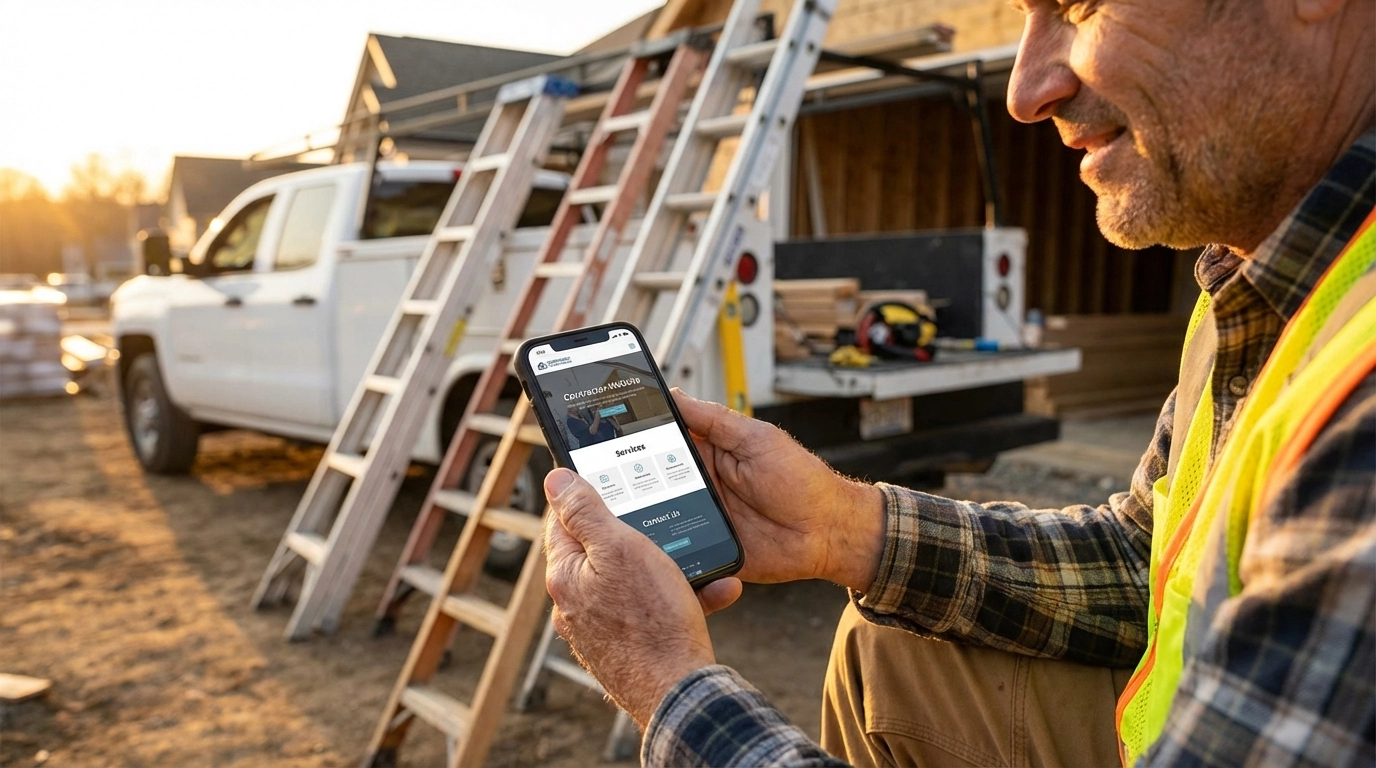
The biggest mindset shift contractors need to make in 2026: Google Business Profile isn't a set-and-forget listing: it's a dynamic marketing platform that rewards active engagement.
Contractors who post regular updates, respond to questions in the Q&A section, and maintain current business hours consistently outrank businesses that treat their profile like a static directory listing. Google's algorithm specifically favors businesses that demonstrate ongoing activity and engagement.
The contractor fix: Post updates at least twice per month. Share completed projects, seasonal services, or helpful tips for homeowners. Respond to questions promptly and keep your business hours current, especially during holidays. This ongoing activity signals to Google that you're an active, reliable business.
Mistake #7: You're Ignoring the Technical Stuff That Actually Matters
Most contractors focus on the obvious elements: photos, reviews, hours: but ignore the technical factors that Google's algorithm actually uses to determine rankings. Two critical elements: structured data on your website and GBP features utilization.
If your website doesn't include proper schema markup (like LocalBusiness or Organization structured data), Google has a harder time understanding your business details and connecting your website to your GBP. You're also missing opportunities if you're not using features like messaging, bookings, and actively managing your Q&A section.
The contractor fix: Use Google's Rich Results Test to validate that your website includes proper structured data. Actively use GBP features like messaging and booking requests: these signal engagement and relevance to Google. Monitor your GBP Insights regularly to track which strategies are actually driving phone calls and website visits.
The 2026 Reality Check
While your competitors are still making these basic mistakes, you now have the blueprint to dominate local contractor marketing. These aren't minor optimizations: they're fundamental strategies that separate successful contractors from those struggling to get consistent leads.
The contractors winning the most jobs in 2026 understand that Google Business Profile optimization isn't a one-time task. It's an ongoing competitive advantage that compounds over time. Every week you delay implementing these fixes is another week your competition might figure it out first.
Your Google Business Profile is working 24/7 to either attract qualified leads or send them to your competitors. The choice is yours, but the window for easy wins is closing as more contractors catch on to these strategies.
Ready to stop making these costly mistakes and start dominating your local market? The technical fixes might seem overwhelming, but the contractors who master these fundamentals in 2026 will be the ones answering more calls, booking more jobs, and growing their businesses while others wonder why their phone stopped ringing.
